
Separating Solar Fact from Fiction: Myths on Solar Energy
From the FEL Energy Team
With the growing popularity of solar photovoltaics (solar PV) across Scotland, myths and misconceptions about solar energy have become more widespread. If you’re considering installing solar panels, it’s important to have the facts. That’s why we’ve tackled some of the most common solar myths and revealed the truth behind them.
1) Myth: Scotland’s cloudy and rainy climate makes solar panels ineffective.
Fact: Solar panels work using daylight rather than direct sunlight. While Scotland is known for cloudy weather, it also enjoys very long summer days, with up to 18 hours of daylight in June and July. This can provide solar panels with plenty of time to generate clean, renewable electricity and helps make solar an effective option for Scottish homes.
2) Myth: Only South-Facing Roofs Are Suitable for Solar Panels
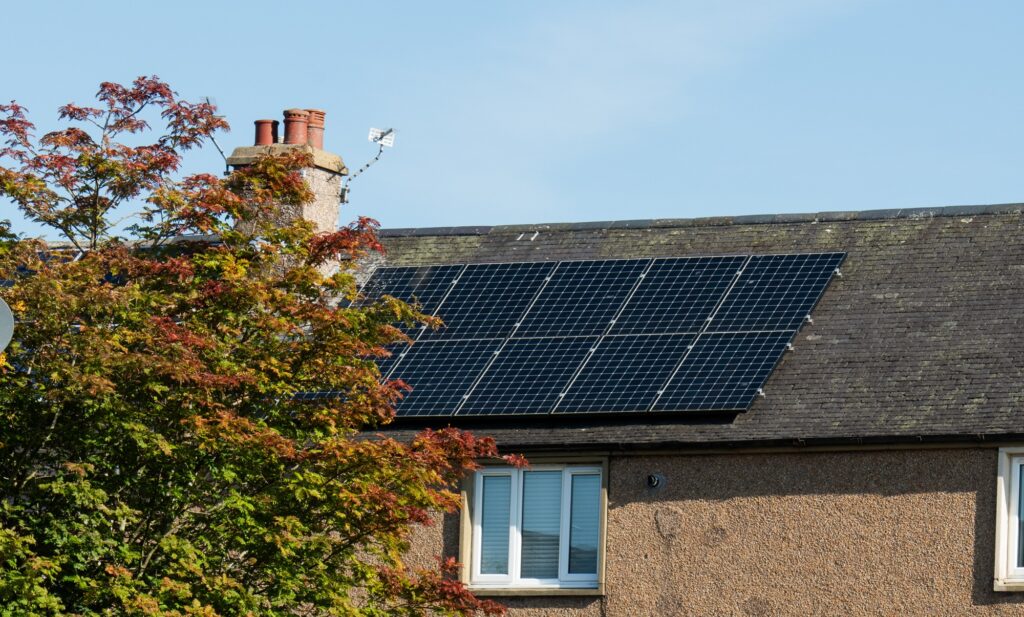
Fact: While an unshaded, south-facing roof will typically deliver the highest solar generation, it is not the only option. East- and west-facing roofs can still be excellent locations for solar panels and are often suitable for homeowners looking to reduce their electricity bills.
A solar PV system installed on an east- or west-facing roof will generally generate around 15–20% less electricity than a comparable south-facing system. However, many homes with east- or west-facing roofs still produce a substantial amount of renewable energy throughout the year. North-facing roofs are generally not recommended, as they receive significantly less sunlight and are usually less cost-effective for solar PV (see Energy Saving Trust for more information).
3) Myth: Solar PV has to be roof mounted
Fact: Solar PV is not limited to rooftops. Depending on the site, panels can be mounted on the ground, integrated into carports, or installed on floating platforms. This versatility means that a lack of suitable roof space does not necessarily prevent a household from benefiting from solar energy.
4) Myth: Solar PV require a lot of ongoing cleaning and maintenance
Fact: Solar PV is one of the lowest-maintenance renewable energy technologies available. Most systems require minimal upkeep, with rainfall often providing enough cleaning to remove dust and debris. As panels have no moving parts, wear and tear is limited, and only occasional inspections are typically needed to check system performance. While additional cleaning may be beneficial in areas with high levels of dust, pollution, or bird activity, ongoing maintenance requirements and costs are generally low. Regular maintenance is recommended to ensure the system continues to operate safely and efficiently, allowing any minor issues to be identified and addressed before they affect performance.
Interested in solar PV or other energy-saving home improvements?
Our Energy Team can provide advice on solar, insulation, heating systems, and other energy related topics. Get in touch to receive impartial guidance and support tailored to your home and circumstances.


